
The Swiss regrouped after the semifinal loss and, thanks to Schelling’s stellar play and 50 saves, won the nation’s first Women’s World Championship medal, a bronze. / photo: © INTERNATIONAL ICE HOCKEY FEDERATION
As we look forward to the 2026 IIHF Women’s World Championship in Herning and Esbjerg in Denmark, let’s rewind the tape and look back at some of the other highlights throughout the years.
1990: First Women’s World Championship in Ottawa
The 20th century entered its final decade when the IIHF established the Women’s World Championship. The first one was played in Ottawa in March 1990, and fittingly, during the tournament, the Billboard singles chart was dominated by “Black Velvet” by Alannah Myles — a Canadian woman.
Instead of black velvet, it was pink polyester that dominated the tournament when the Canadian Hockey Association decided to add a little pizzazz to the event by dressing Team Canada in pink uniforms.
In hindsight, it was probably an unnecessary gimmick, as the hosts cruised through the preliminary round undefeated, with a 50–1 goal difference. In their group, Team USA was almost as convincing, even though they had to put in a full day’s work to beat Finland, 5–4.
Finland — who won bronze — lost their semifinal to Canada, 6–5, having been down 4–1 early in the second period. That set up a Canada–USA final, the first of many.
Geraldine Heaney scored the game-winner on a great solo effort that ended with her flying through the air like Bobby Orr. Canada won the final, 5–2.
Afterwards, tournament director Pat Reid noted, “We won’t have to talk about pink uniforms anymore to get people out to see women’s hockey.”
He was right.
2005: First US gold
Fifteen years, and eight tournaments later, there was still only one world champion. Canada. The Americans had eight silver medals — and one Olympic Gold from Nagano in 1998 — and the Finns seven bronze medals.
Everything changed in Linkoping, Sweden in 2005.
The preliminary rounds were, once again, Canada’s show. They went undefeated, as always, without conceding a goal in their three games. Team USA allowed three goals, but their closest game was a 8-2 win over China.
Both North American teams played their way to the final when Canada beat Finland, and Team USA downed Sweden.
The final was a close contest, and it went goalless for the full 60 minutes, and 20-minute sudden-death overtime period.
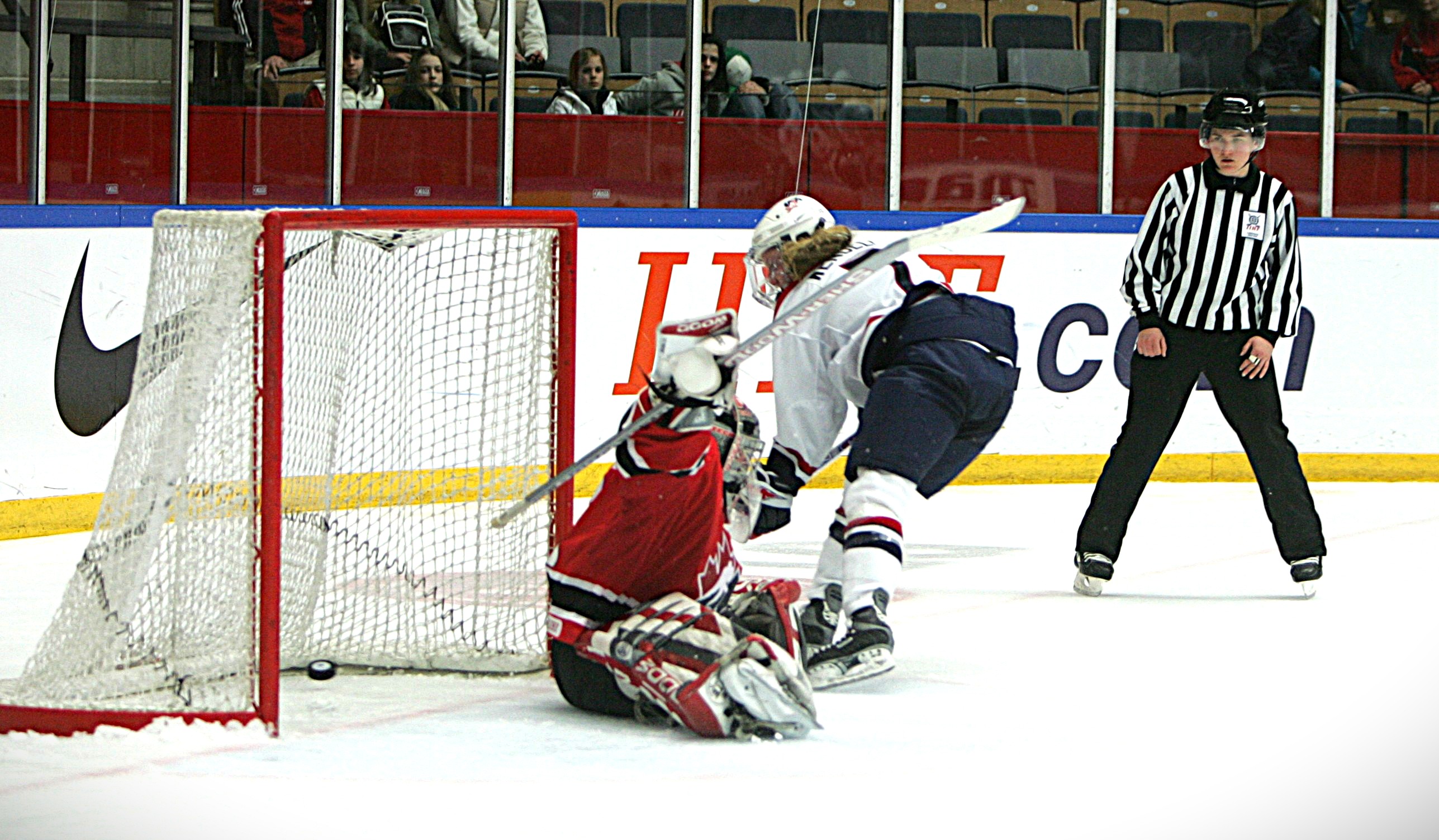
In the shootout, Team USA’s Chanda Gunn stopped three of four Canadian shooters, while Natalie Darwitz, Krissy Wendell, and Angela Ruggiero scored for the Americans, with Ruggiero potting the game-winner.
In the bronze medal game, Sweden upset Finland, and grabbed their first Women’s Worlds medal.
2012: New format — new medalist
In 2012, the IIHF introduced a new format, in which the eight participating teams were ranked so that the Top 4 played in Group A and teams ranked 5–8 played in Group B, with the top two teams in Group A getting a bye into the semifinal. The two bottom teams in Group B played a best-of-three relegation series.
Team USA handed the Canadians a shocking 9–2 loss in the preliminary round, but both North American teams qualified for the semifinal.
In Group B, Switzerland lost their opening game to Germany, but their two regulation-time wins over Slovakia and Sweden were enough to take them to the top of the group and into the quarterfinal against Russia. Switzerland, led by the Marty sisters, Julia and Stefanie — who scored three of the Swiss goals — upset the Russians, 5–2. IIHF Hall of Famer Florence Schelling made 29 saves.
In the semifinal, Team USA was ruthless against the Swiss and recorded a clean 10–0 win.
The medal games were memorable. First, the Swiss regrouped after the semifinal loss and, thanks to Schelling’s stellar play and 50 saves, won the nation’s first Women’s World Championship medal, a bronze.
In the final, Team USA rallied from a 3–1 deficit to take a 4–3 lead that lasted almost all the way. Canada’s Meghan Agosta, assisted by HHOFers Jayna Hefford and Caroline Ouellette, tied the game with 2:38 remaining and sent it to OT.
The extra frame had just begun when Agosta used Tessa Bonhomme as a decoy on a 3-on-1, passing the puck to Ouellette instead. Her wrist shot kicked off Canada’s celebration just 1:50 into OT.
2019: Ten teams, new finalist
Seven years after the new format, the IIHF made a slight adjustment to it when it added two teams to the top division championship, justified by the rising level of hockey.
Finland hosted the tournament for the fourth time, and in Espoo, the hosts had put together a team that was probably the best Finnish team ever assembled. It featured all of Finland’s current PWHLers, as well as Jenni Hiirikoski, IIHF and Hockey Hall of Famer Riikka Sallinen, goaltender Noora Raty, and CWHL champion Venla Hovi.
In hindsight, it seems almost inevitable that they would make history.
Playing in front of European record crowds, the Finns finished third in Group A, behind the US and Canada, and beat Czechia handily in the quarterfinal.
Few experts believed in the Finns after their 6-1 loss to Canada in the preliminary round, but experts don’t play the games. The Lionesses came roaring back, led by Ronja Savolainen, who scored twice and added an assist, and goaltender Raty, who made 52 saves in the 5-2 win. Finland became the first European nation in the women’s final.
The Finns weren’t done.
In the final, they defended and fought for every puck in front of a capacity crowd, and even though Team USA won the shots 52-27, the score, after 60 minutes, was tied at one.
In OT, Petra Nieminen slammed a rebound into the US net, and everyone thought the game was over. However, the goal was disallowed for goalie interference, and the game went to a shootout.
That ended in American celebration — and bitter Finnish tears, as Team USA won the shootout 2-1.
2025: Czechia breaks attendance record
After a successful men’s World Championship in Czechia in 2024, when they broke the world attendance record for a men’s World Championship, it was time for the tournament organization to repeat the success on the women’s side, in Ceske Budejovice.
The venue was carefully chosen to make sure the women’s tournament would be the biggest show in a good hockey town. They introduced the superhero mascot, Tori, and turned the players into superheroes as well under the slogan, “Heroes incoming!”
It worked.
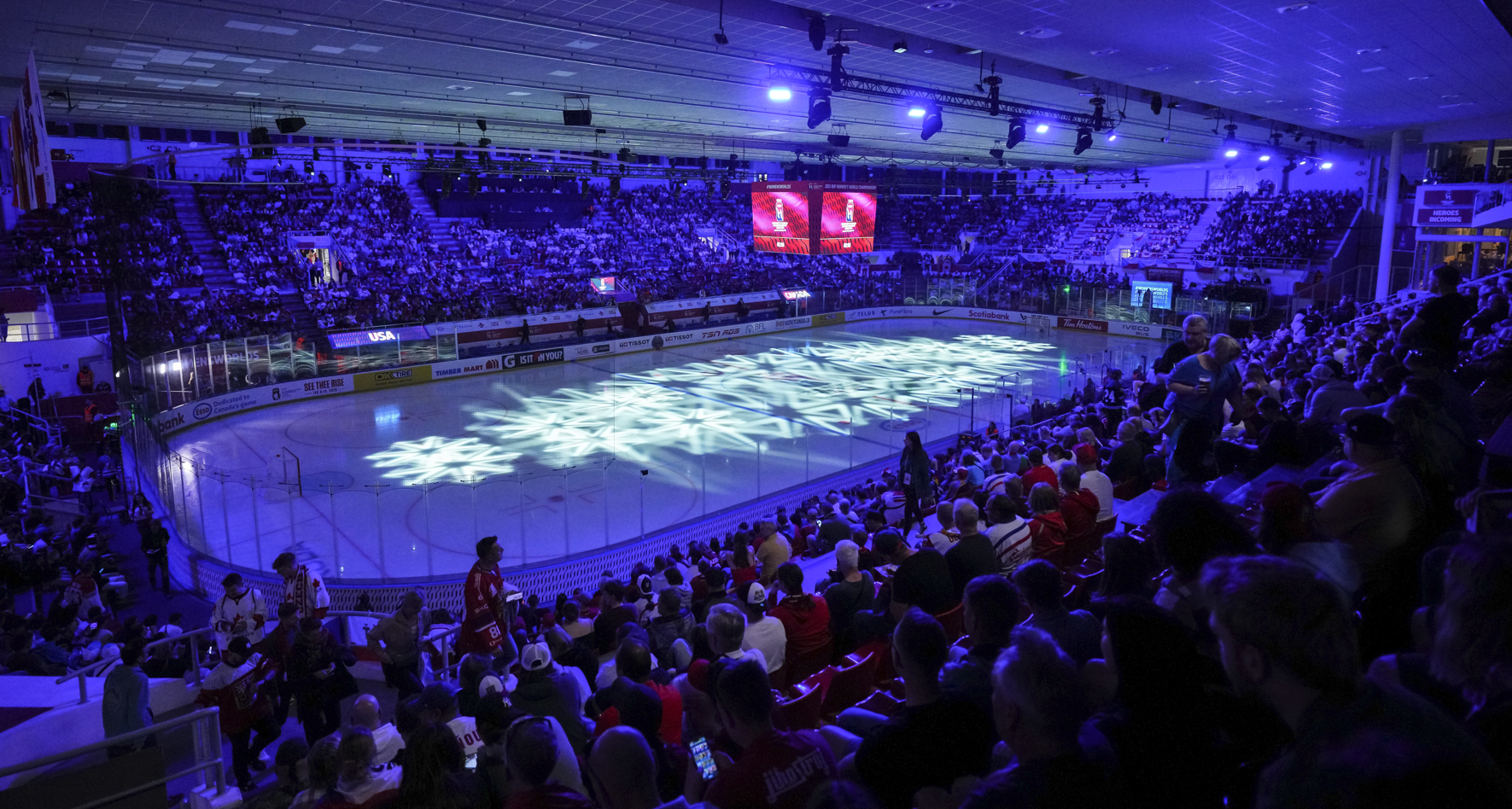
The Ceske Budejovice tournament set a new world championship attendance record with 122,331, some three thousand more than the previous record, 119,231, held by the 2007 tournament in Canada.
The great hockey played in the tournament certainly helped, too.
The hosts’ chase for a medal looked good when they took a 3-0 lead in the bronze medal game against Finland. However, semifinal fatigue — Czechia lost 2-1 to USA — kicked in, and the Finns rallied back and won the game, 4-3, thanks to Jenniina Nylund’s OT goal.
Sixty minutes wasn’t enough to decide the fate of the gold medals, either. The hero in the game was Tessa Janecke, who potted the golden goal with less than three minutes remaining in overtime: USA 4 - Canada 3.
1990: First Women’s World Championship in Ottawa
The 20th century entered its final decade when the IIHF established the Women’s World Championship. The first one was played in Ottawa in March 1990, and fittingly, during the tournament, the Billboard singles chart was dominated by “Black Velvet” by Alannah Myles — a Canadian woman.
Instead of black velvet, it was pink polyester that dominated the tournament when the Canadian Hockey Association decided to add a little pizzazz to the event by dressing Team Canada in pink uniforms.
In hindsight, it was probably an unnecessary gimmick, as the hosts cruised through the preliminary round undefeated, with a 50–1 goal difference. In their group, Team USA was almost as convincing, even though they had to put in a full day’s work to beat Finland, 5–4.
Finland — who won bronze — lost their semifinal to Canada, 6–5, having been down 4–1 early in the second period. That set up a Canada–USA final, the first of many.
Geraldine Heaney scored the game-winner on a great solo effort that ended with her flying through the air like Bobby Orr. Canada won the final, 5–2.
Afterwards, tournament director Pat Reid noted, “We won’t have to talk about pink uniforms anymore to get people out to see women’s hockey.”
He was right.
2005: First US gold
Fifteen years, and eight tournaments later, there was still only one world champion. Canada. The Americans had eight silver medals — and one Olympic Gold from Nagano in 1998 — and the Finns seven bronze medals.
Everything changed in Linkoping, Sweden in 2005.
The preliminary rounds were, once again, Canada’s show. They went undefeated, as always, without conceding a goal in their three games. Team USA allowed three goals, but their closest game was a 8-2 win over China.
Both North American teams played their way to the final when Canada beat Finland, and Team USA downed Sweden.
The final was a close contest, and it went goalless for the full 60 minutes, and 20-minute sudden-death overtime period.
In the shootout, Team USA’s Chanda Gunn stopped three of four Canadian shooters, while Natalie Darwitz, Krissy Wendell, and Angela Ruggiero scored for the Americans, with Ruggiero potting the game-winner.
In the bronze medal game, Sweden upset Finland, and grabbed their first Women’s Worlds medal.
2012: New format — new medalist
In 2012, the IIHF introduced a new format, in which the eight participating teams were ranked so that the Top 4 played in Group A and teams ranked 5–8 played in Group B, with the top two teams in Group A getting a bye into the semifinal. The two bottom teams in Group B played a best-of-three relegation series.
Team USA handed the Canadians a shocking 9–2 loss in the preliminary round, but both North American teams qualified for the semifinal.
In Group B, Switzerland lost their opening game to Germany, but their two regulation-time wins over Slovakia and Sweden were enough to take them to the top of the group and into the quarterfinal against Russia. Switzerland, led by the Marty sisters, Julia and Stefanie — who scored three of the Swiss goals — upset the Russians, 5–2. IIHF Hall of Famer Florence Schelling made 29 saves.
In the semifinal, Team USA was ruthless against the Swiss and recorded a clean 10–0 win.
The medal games were memorable. First, the Swiss regrouped after the semifinal loss and, thanks to Schelling’s stellar play and 50 saves, won the nation’s first Women’s World Championship medal, a bronze.
In the final, Team USA rallied from a 3–1 deficit to take a 4–3 lead that lasted almost all the way. Canada’s Meghan Agosta, assisted by HHOFers Jayna Hefford and Caroline Ouellette, tied the game with 2:38 remaining and sent it to OT.
The extra frame had just begun when Agosta used Tessa Bonhomme as a decoy on a 3-on-1, passing the puck to Ouellette instead. Her wrist shot kicked off Canada’s celebration just 1:50 into OT.
2019: Ten teams, new finalist
Seven years after the new format, the IIHF made a slight adjustment to it when it added two teams to the top division championship, justified by the rising level of hockey.
Finland hosted the tournament for the fourth time, and in Espoo, the hosts had put together a team that was probably the best Finnish team ever assembled. It featured all of Finland’s current PWHLers, as well as Jenni Hiirikoski, IIHF and Hockey Hall of Famer Riikka Sallinen, goaltender Noora Raty, and CWHL champion Venla Hovi.
In hindsight, it seems almost inevitable that they would make history.
Playing in front of European record crowds, the Finns finished third in Group A, behind the US and Canada, and beat Czechia handily in the quarterfinal.
Few experts believed in the Finns after their 6-1 loss to Canada in the preliminary round, but experts don’t play the games. The Lionesses came roaring back, led by Ronja Savolainen, who scored twice and added an assist, and goaltender Raty, who made 52 saves in the 5-2 win. Finland became the first European nation in the women’s final.
The Finns weren’t done.
In the final, they defended and fought for every puck in front of a capacity crowd, and even though Team USA won the shots 52-27, the score, after 60 minutes, was tied at one.
In OT, Petra Nieminen slammed a rebound into the US net, and everyone thought the game was over. However, the goal was disallowed for goalie interference, and the game went to a shootout.
That ended in American celebration — and bitter Finnish tears, as Team USA won the shootout 2-1.
2025: Czechia breaks attendance record
After a successful men’s World Championship in Czechia in 2024, when they broke the world attendance record for a men’s World Championship, it was time for the tournament organization to repeat the success on the women’s side, in Ceske Budejovice.
The venue was carefully chosen to make sure the women’s tournament would be the biggest show in a good hockey town. They introduced the superhero mascot, Tori, and turned the players into superheroes as well under the slogan, “Heroes incoming!”
It worked.
The Ceske Budejovice tournament set a new world championship attendance record with 122,331, some three thousand more than the previous record, 119,231, held by the 2007 tournament in Canada.
The great hockey played in the tournament certainly helped, too.
The hosts’ chase for a medal looked good when they took a 3-0 lead in the bronze medal game against Finland. However, semifinal fatigue — Czechia lost 2-1 to USA — kicked in, and the Finns rallied back and won the game, 4-3, thanks to Jenniina Nylund’s OT goal.
Sixty minutes wasn’t enough to decide the fate of the gold medals, either. The hero in the game was Tessa Janecke, who potted the golden goal with less than three minutes remaining in overtime: USA 4 - Canada 3.